Home Ancient Egypt
Egyptian Canopic Jars
Interesting Facts
Nile River Importance
Physical Features
Timeline of Egypt
Afterlife Concept
Egyptian Amulets
Animals in Ancient Egypt
Egyptian Architecture
Artifacts & Art
Artwork & Artisans
Egyptian Astronomy
Boats / Ships
Bread Making
Calendar Concept
Cats Significance
Cities and Towns
Weather / Climate
Dressing / Clothing
Ancient Egypt Costumes
Ancient Egypt Culture1
Egyptian Culture2
Ancient Egypt Culture3
Ancient Egypt Currency
Curses Belief
Ancient Egypt Customs
Daily Life of People
Deities Names
Diet & Food Habits
Economy & Trade
Education System
Egyptian Engineering 1
Egyptian Engineering 2
Facts for Kids
Farming & Agriculture
Ancient Egypt Gods1
Ancient Egypt Gods2
Ancient Egypt Gods3
Egyptian Government
Egyptian Headress
Egyptian Hieroglyphics
Ancient Egypt Homes
Houses Information
Egyptian Inventions 1
Egyptian Inventions 2
Egyptian Irrigation
Egyptian Jewellery
Jobs & Occupations
Kids / Children's Life
Egyptian Language
Egyptian Legal System
Ancient Egypt Location
Temple of Luxor
Ancient Egypt Marriages
Masks Designs
Maths & Number System
Egyptian Medicines
Ancient Egypt Military
More Articles
More Information
Ancient Egypt FAQ
 

Homes Part1


Ancient Egypt was blessed with the longest river on earth , The Nile. Proximity to the river influenced Egyptian ways of life. Houses of Egypt were build along the banks of this great river.
ancient-egypt-house
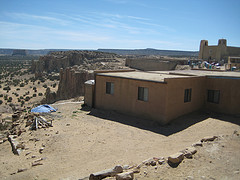
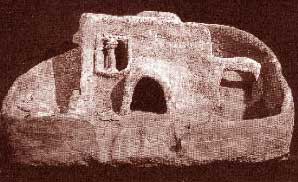
The houses were made of bricks made from mud. These mud-houses demolished in course of time, and new houses were again built on the crumbled material, creating hills called tells. Those buildings which were meant to stay forever were made of stone.

After the house was built, it was covered with plaster which was painted with either scenes from nature or geometric patterns. The small windows let in only a little light and the house interiors were cool.
ancient-egypt-house
As the houses were situated on river banks, they had to be built high to avoid annual flooding of the river. The living areas constituted the top floor and the roof was used for various activities. High sand dunes were erected as barriers from flood water.

There were two types of homes typical in Egypt, the home of the worker's and the town house. The average dimension of the workers house was approximately 4m by 20m.

A typical workers home ranged from two to four rooms on the ground level, an enclosed yard, a kitchen at the back of the house and two underground cellars for storage. There was little furniture save beds and small chests for keeping clothes. Egyptian villagers spent most of their time outdoors. They often slept, cooked, and ate atop their houses' flat roofs.

Entering from the street, there were steps into the entrance hall. Then came the main room which had a distinctive wooden pillar in the middle supporting the roof. The master of the house had his masters chair and there were stools and tables for guests. This room was decorated with holy images along the walls, and a table with offerings in front of a false door.

Behind the central room was a hall with a door on the side leading to a bedroom. The bedroom and the roof were used interchangeably as resting areas. At the end of the hall was the kitchen with an open roof. In the kitchen was a door leading to another cellar that served as a pantry. Different heights in the roofs allowed for more private windows in the house.


Money & Coins Recreation Part 1 Trading of Goods
Famous Monuments Recreation Part 2 Translation Of Hieroglyphics
Mummies / Mummification Religion Part 1 Transportation System
Music in Ancient Egypt Religion Part 2 Viziers Ranking
Musical Instruments Religious Beliefs Famous Wars Fought
Myths Part 1: Creation, Eye of Ra Sarcophagus Weaponry & Chain of Command
Myths Part 2: Death Children's Schools Common Weapons Used in War
Names and Meanings Science and Technology Women's Life Part 1
Numbering System Role of Scribes Women's Life Part 2
Obelisks Designs Life of Slaves & Slavery Status of Women
Paintings Style, Colours Social Classes in Ancient Egypt British Museum and Ancient Egypt
Papyrus Invention Soldiers in the Army Burial Tombs In Ancient Egypt
Pharaohs Dynasties Sphinxes - majestic monuments Concept of Afterlife
Pottery Designs Common Sports Played Farming In Ancient Egypt
Priests' Role Famous Statues Common Food and Drink
Process Of Embalming Symbols and Meanings King Tutankhamun of Egypt
Famous Proverbs Tattoos and Designs Sun God: Ra
Queens Part 1: Cleopatra Technology Advancements The Pyramids of Ancient Egypt
Queens Part 2: Other Queens Temples' Significance Valley of The Kings
Popular Quotes Commonly used Tools Pictures/Photos

This page last updated in Jan 2014
Copyright 2014 - All rights reserved