Home Ancient Egypt
Egyptian Canopic Jars
Interesting Facts
Nile River Importance
Physical Features
Timeline of Egypt
Afterlife Concept
Egyptian Amulets
Animals in Ancient Egypt
Egyptian Architecture
Artifacts & Art
Artwork & Artisans
Egyptian Astronomy
Boats / Ships
Bread Making
Calendar Concept
Cats Significance
Cities and Towns
Weather / Climate
Dressing / Clothing
Ancient Egypt Costumes
Ancient Egypt Culture1
Egyptian Culture2
Ancient Egypt Culture3
Ancient Egypt Currency
Curses Belief
Ancient Egypt Customs
Daily Life of People
Deities Names
Diet & Food Habits
Economy & Trade
Education System
Egyptian Engineering 1
Egyptian Engineering 2
Facts for Kids
Farming & Agriculture
Ancient Egypt Gods1
Ancient Egypt Gods2
Ancient Egypt Gods3
Egyptian Government
Egyptian Headress
Egyptian Hieroglyphics
Ancient Egypt Homes
Houses Information
Egyptian Inventions 1
Egyptian Inventions 2
Egyptian Irrigation
Egyptian Jewellery
Jobs & Occupations
Kids / Children's Life
Egyptian Language
Egyptian Legal System
Ancient Egypt Location
Temple of Luxor
Ancient Egypt Marriages
Masks Designs
Maths & Number System
Egyptian Medicines
Ancient Egypt Military
More Articles
More Information
Ancient Egypt FAQ
 

Inventions Part 2


Water clocks were some of the earliest clocks used. The earliest one was found in the tomb of the pharaoh Amenhotep I. Water Clocks were like pots made of stones, with long slanting sides that allowed water to drip down at a constant rate through a small hole in the bottom.

ancient-egyptian-inventions

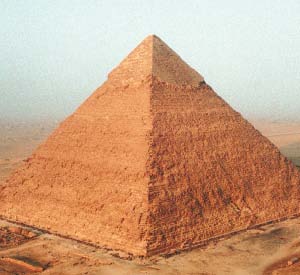
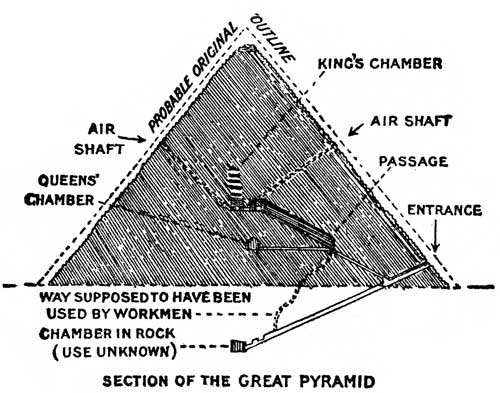
The Pyramidal structures are unique Egyptian gifts to the world. The first pyramid was the Step Pyramid at Saqqara that was built in 2750 B.C. for King Zoser. Pyramids stand as elegant symbols of Egyptian civilisation.

The shaduf was a very useful device that the Egyptians built to help them with their water, and the Nile River. It was operated by hand and was used to lift water from the river onto land in buckets.

ancient-egyptian-inventions

It has a long pole and there are two objects at each end of it. On one side, there is a bucket. On the other, there is a weight. The Egyptians would lower the bucket, and allowed the water to flow into the bucket. Then they would drop it, causing the weight to lift it back up so they could retrieve it.

Locks were another making of the Egyptians. These were made to prevent the endless robberies. They made a wooden crossbar that was almost entirely enclose except for some space for the key and the pins.

They dropped these pins into cavities, which locked the door. To unlock it, they put the key into the opening, which pushed the pins out of the way, enabling the door to open.


Money & Coins Recreation Part 1 Trading of Goods
Famous Monuments Recreation Part 2 Translation Of Hieroglyphics
Mummies / Mummification Religion Part 1 Transportation System
Music in Ancient Egypt Religion Part 2 Viziers Ranking
Musical Instruments Religious Beliefs Famous Wars Fought
Myths Part 1: Creation, Eye of Ra Sarcophagus Weaponry & Chain of Command
Myths Part 2: Death Children's Schools Common Weapons Used in War
Names and Meanings Science and Technology Women's Life Part 1
Numbering System Role of Scribes Women's Life Part 2
Obelisks Designs Life of Slaves & Slavery Status of Women
Paintings Style, Colours Social Classes in Ancient Egypt British Museum and Ancient Egypt
Papyrus Invention Soldiers in the Army Burial Tombs In Ancient Egypt
Pharaohs Dynasties Sphinxes - majestic monuments Concept of Afterlife
Pottery Designs Common Sports Played Farming In Ancient Egypt
Priests' Role Famous Statues Common Food and Drink
Process Of Embalming Symbols and Meanings King Tutankhamun of Egypt
Famous Proverbs Tattoos and Designs Sun God: Ra
Queens Part 1: Cleopatra Technology Advancements The Pyramids of Ancient Egypt
Queens Part 2: Other Queens Temples' Significance Valley of The Kings
Popular Quotes Commonly used Tools Pictures/Photos

This page last updated in Jan 2014
Copyright 2014 - All rights reserved